Research
ADAPT’s research program is structured around two workstreams that will develop validated tools and methods to reliably measure the effects of psychedelics, initially focusing on psilocybin in both preclinical and human studies. By designing and testing rigorous methods, ADAPT’s consortium of researchers is creating standardized protocols to serve as a foundation for current and future research.
Our Work is Guided by Four Foundational Principles
- Support rigorous research by testing commonly held assumptions about psychedelics and ensuring the reliability of scientific findings.
- Generate foundational datasets that are open and accessible to the research community, and embrace the principles of open science.
- Establish best practices in the psychedelic research field by setting standards and how-to roadmaps to inform the operational requirements for researchers studying psychedelics.
- Encourage strong bidirectional clinical pipelines that build confidence in preclinical models and advance the discovery pipeline for psychedelics.
This work is positioned to enable rigorous human clinical studies using the methods validated and/or developed to assess whether there are measurable, robust, and enduring changes following psychedelic administration.
Our Research Workstreams
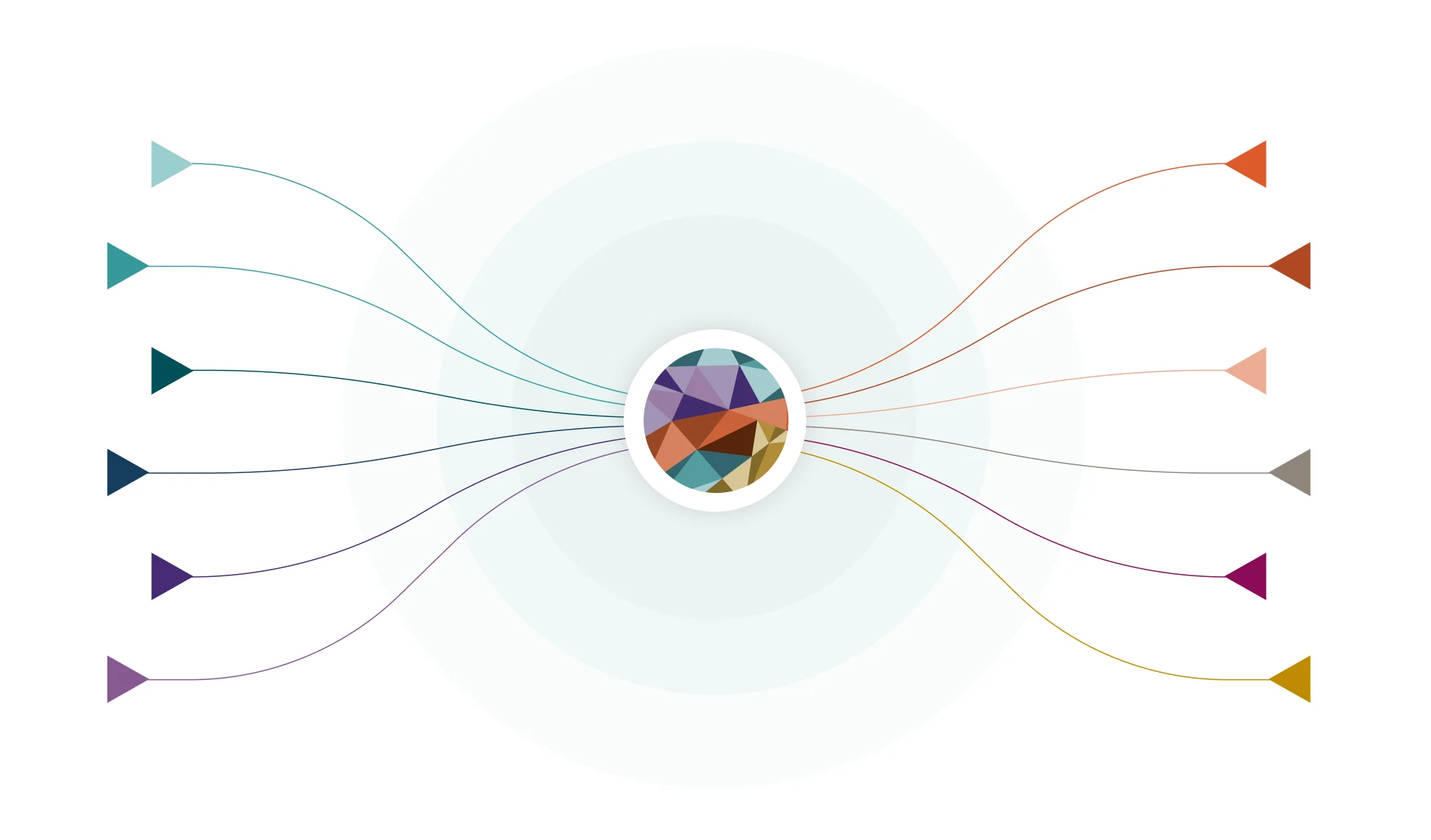
Independent Validation
Using a consortium model, multiple independent groups will replicate and expand upon findings underpinning commonly cited psychedelic studies. The purpose is to determine whether the methods and their results can be verified, validated, and successfully replicated.
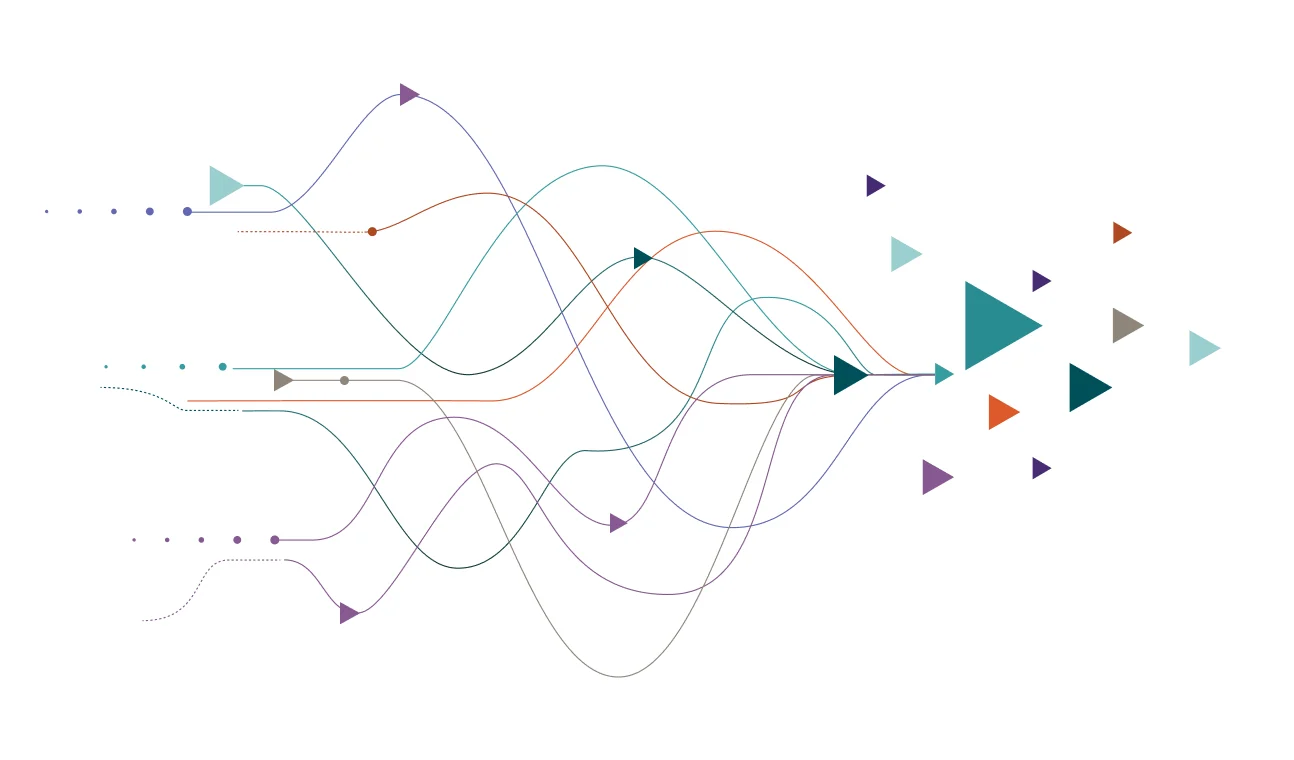
Method Development and Optimization
This work will establish new and better ways to measure the effects of psychedelics including behavioral measures (e.g., creative thinking, rumination, autobiographical memory), biological and neural measures (e.g., brain activity) to inform clinical trial design.
Aligning Discoveries Across Psychedelic Therapies
Reach out, and we’ll get back to you.